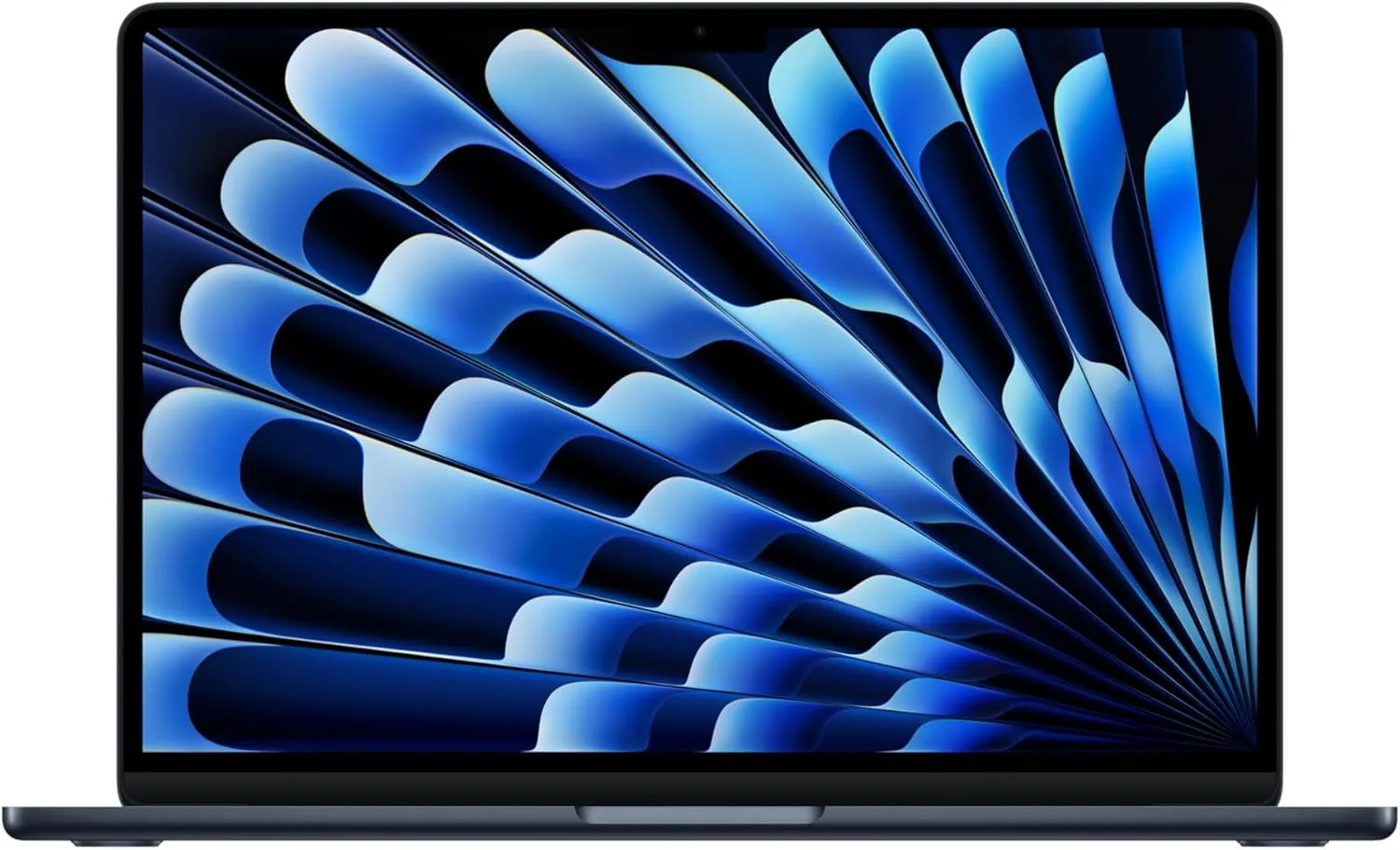
Best Overall
Apple MacBook Air 13" (M5)
Best for: Students, professionals and everyday use
9.5/10View on Amazon →

The consumer Extended Security Updates programme for Windows 10 finished on 13 October 2026. If you're still running it, here are your options.
Microsoft ended mainstream support for Windows 10 on 14 October 2025, but home users were offered a one-year lifeline: the consumer Extended Security Updates (ESU) programme. That year is now up. The final consumer ESU updates were released on 13 October 2026, and Windows 10 home PCs will no longer receive security fixes.
Your PC won't stop working overnight. But every security flaw found from now on will stay unpatched, and as time goes on browsers, games, anti-cheat systems and other software will drop support too. For a computer you use for banking, shopping or email, that's a real risk.
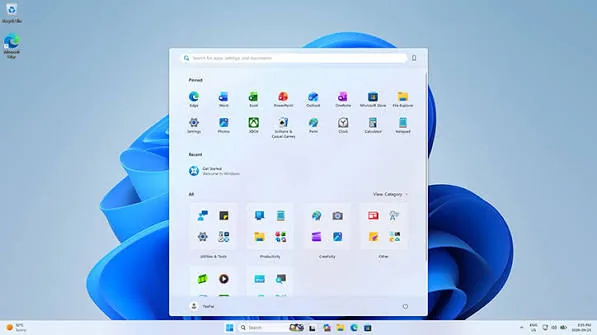
If your PC meets Windows 11's requirements, the upgrade is still free. The main hurdles are a TPM 2.0 security chip and a supported processor, which in practice means an Intel 8th-generation Core or AMD Ryzen 2000-series chip or newer. Open Settings, then Windows Update, to see whether your PC is eligible. Many desktops from 2018 onwards qualify, sometimes after enabling the TPM ("fTPM" on AMD, "PTT" on Intel) in the BIOS.
If your computer can't run Windows 11, it is probably at least seven or eight years old, and a new machine will feel dramatically quicker. You don't need to spend a fortune: our laptop buying guide includes capable models at budget prices, and the Acer Aspire Go 15 and Lenovo IdeaPad Slim 5 are both sensible choices for everyday use.
Desktop owners with an older system can often upgrade the processor, motherboard and memory and keep their case, storage and graphics card. Our budget PC hardware guide lists the parts we'd choose for a modern system that doesn't cost the earth.
A Mac is an alternative if you're happy to change platform, and Linux distributions such as Ubuntu and Linux Mint run well on older hardware and are free. Both are worth considering for a machine used mainly for web browsing.
Businesses can still pay for up to three years of Windows 10 extended updates in total, but that programme isn't intended for home users.
Best for: Students, professionals and everyday use
Best for: Basic everyday tasks on a tight budget