

Intel shares tumble as the PC slowdown clouds its outlook
Intel beat expectations for the third quarter, but its shares fell sharply after it forecast a weaker end to the year and warned the PC slowdown will last into next year. Here's what it means if you're buying a PC.

Intel's shares fell sharply in after-hours trading on Wednesday 29 October, after the company forecast lower sales for the last three months of 2026 than Wall Street had expected and warned that the slowdown in the PC market will continue into next year.
The fall came despite a strong set of results. Intel's revenue for July to September rose 21% year on year to $16.5 billion, and the company beat its own forecasts for revenue, profit margin and earnings.
Servers up, PCs down
Almost all of that growth came from servers. Sales in Intel's Data Center and AI division jumped 78% to $7.3 billion, which chief financial officer David Zinsner called "our strongest data center revenue growth in 15 years". Intel Foundry, the part of the business that manufactures chips, grew 58%.
The PC business went the other way. Revenue from the Client Computing and Physical AI Group, which sells the Core processors found in laptops and desktops, fell 5% to $8.1 billion.
The forecast that worried investors
For October to December, Intel expects revenue of $15 billion to $16 billion and adjusted earnings of 25 cents per share. Analysts had reportedly been expecting around $17 billion in revenue and earnings of about 43 cents a share.
"Looking ahead, we see the PC slowdown continuing at least through the first half of next year," Zinsner said.
Chief executive Lip-Bu Tan struck a more upbeat note, saying that "despite near-term headwinds across the PC industry, demand for our CPUs remains robust". He added that Intel's "immediate priority is to unlock additional supply to meet extraordinary demand for our Xeon family", its server processors.
The results follow a bumpy October for Intel's shares, which had already slipped during a wider sell-off in chip stocks after a strong run earlier in the year.
Why the PC market is struggling
Fewer computers are being sold than a year ago. Early estimates suggest worldwide PC shipments fell by around 20% in the third quarter, partly because the same period in 2025 was boosted by people replacing machines before Windows 10's end of support.
Cost is the other problem. Memory makers are prioritising chips for AI data centres, which has pushed up the price of RAM and, with it, the price of new laptops and desktops. Intel itself lists "industry-wide substrate and memory shortages" among the risks facing its business. Higher prices tend to mean people keep their current computer for longer.
What it means if you're buying a PC
**Nothing changes for Intel processors you own or buy now.** These are financial results, not a product problem: warranties, driver updates and support carry on as normal.
**Slow sales can mean better deals.** When fewer people are buying, retailers and manufacturers are more likely to discount laptops and desktops, especially older stock. With Black Friday approaching, keep an eye on our Black Friday PC hardware deals.
**Memory is still the expensive part.** If you're building or upgrading a desktop, RAM prices remain high, so budget for it before choosing other parts.
**Choose on value, not headlines.** A share price says little about whether a processor is a good buy. Our processor buying guide compares Intel and AMD chips on performance and value for UK buyers.
Products in this story
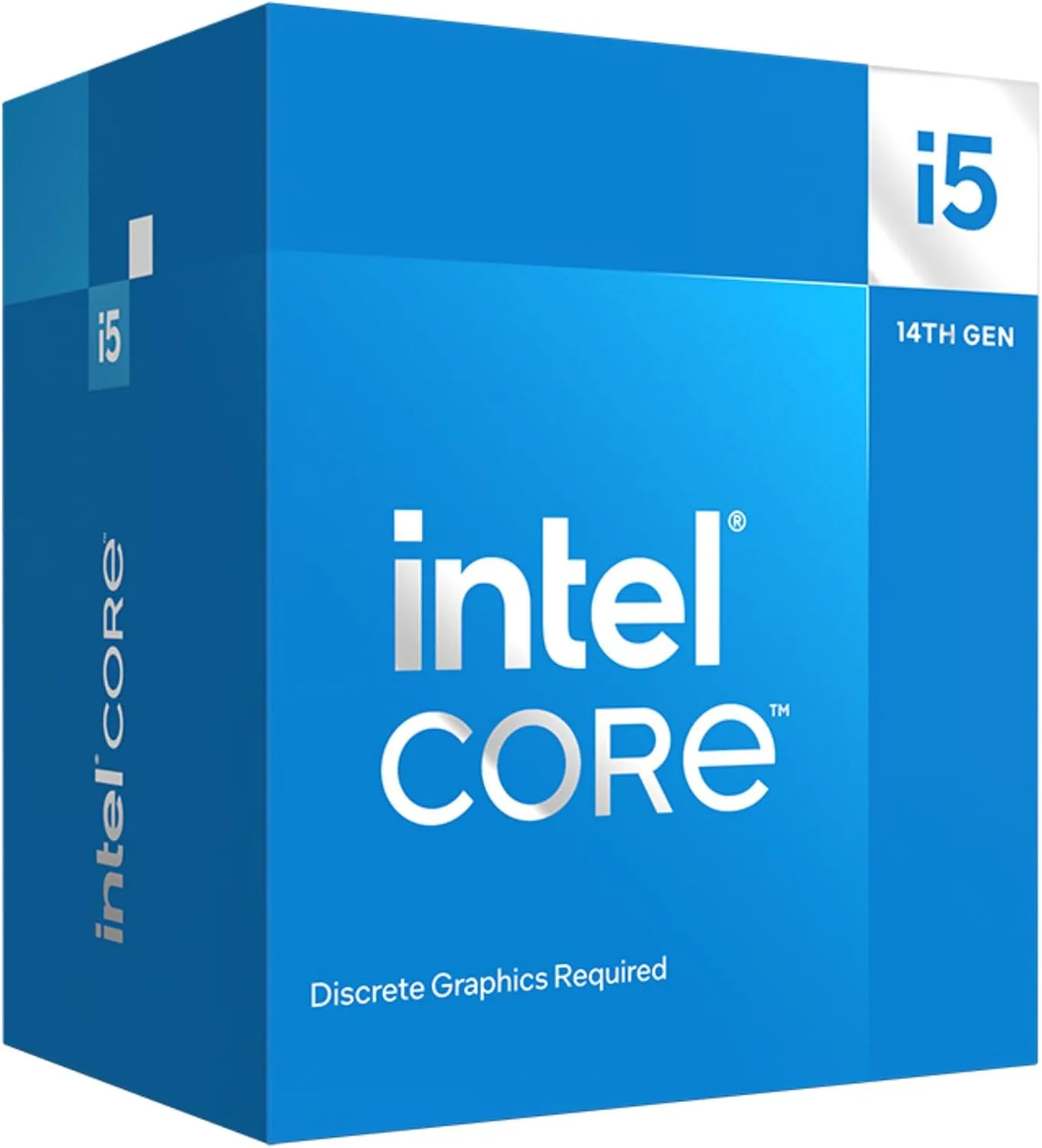
Best Budget Intel
Intel Core i5-14400F
Best for: Budget builds reusing DDR4 memory
8.0/10View on Amazon →
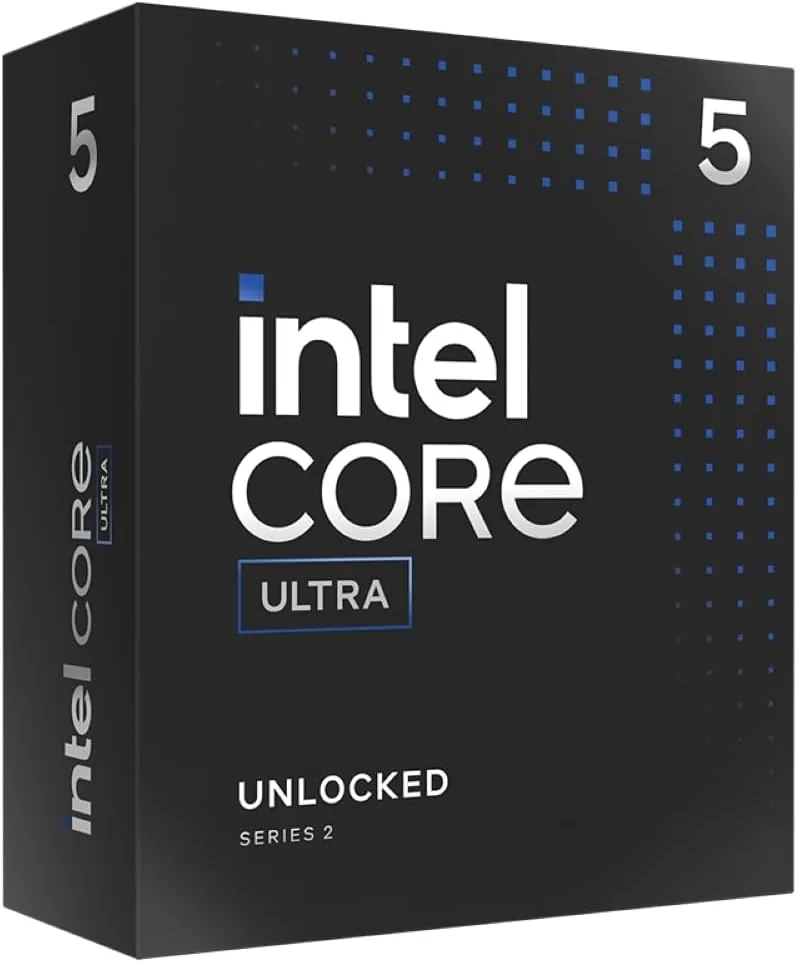
Best Mid-Range Intel
Intel Core Ultra 5 245K
Best for: Intel builds for gaming and everyday work
8.0/10View on Amazon →
More news
 29 Oct 2026
Starlink is more than twice as fast as 4G and 5G home broadband in rural UK, study finds
New Opensignal data puts Starlink well ahead of EE, Three and Vodafone's mobile home broadband in the countryside, but level with Three in towns and cities.
 29 Oct 2026
NVIDIA's faster DLSS 5 boosts frame rates by up to 40%
An October update makes NVIDIA's AI neural rendering model twice as fast with 20% less VRAM use at 4K, and a new frame generation option speeds up RTX 40 and RTX 50 cards too.
 28 Oct 2026
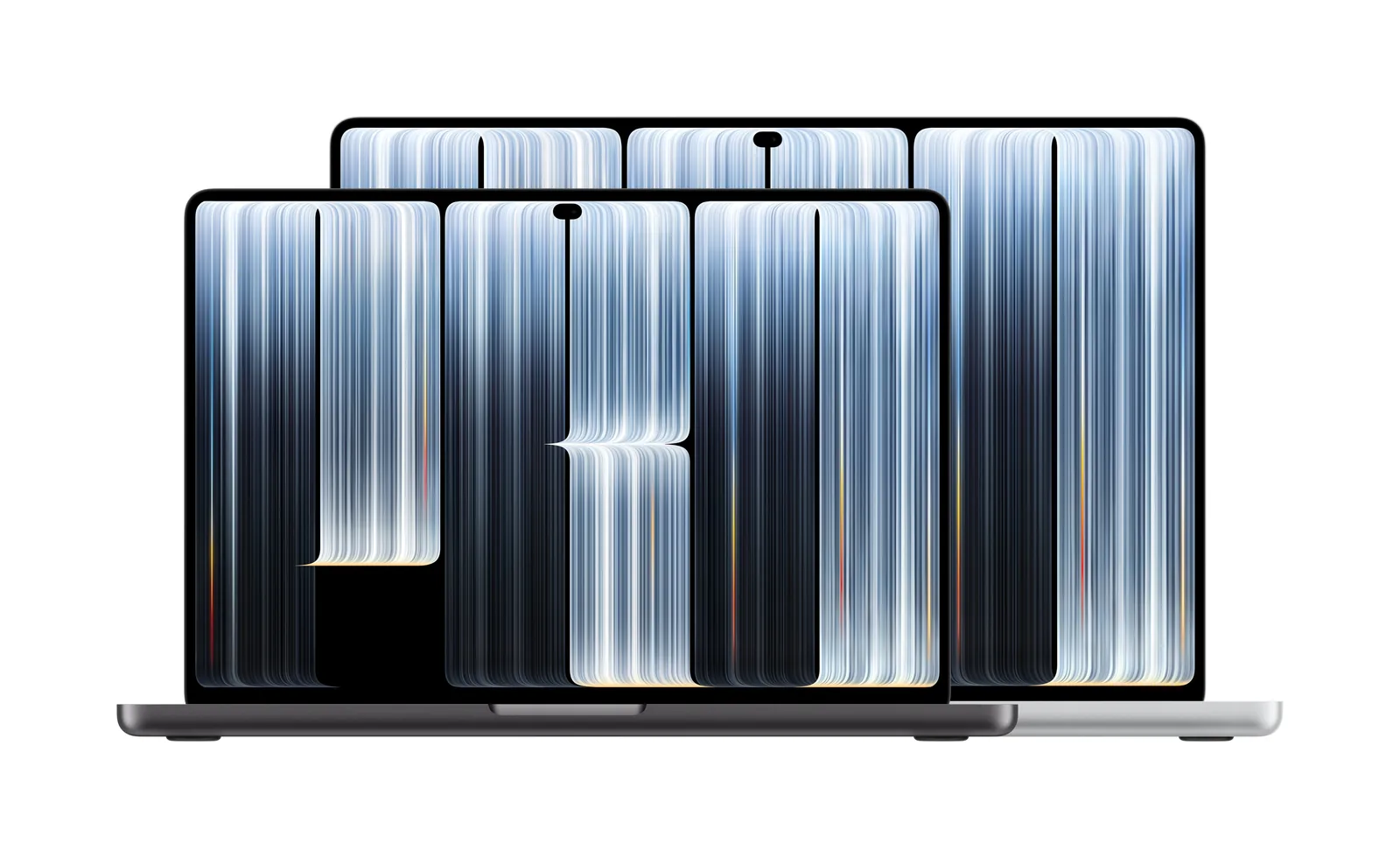
Apple unveils its first touchscreen MacBook Pro with an OLED display
The new 14-inch and 16-inch MacBook Pro bring touch, a tandem OLED screen and a Dynamic Island to the Mac, with M5 Pro and M5 Max chips. They go on sale on 6 November.