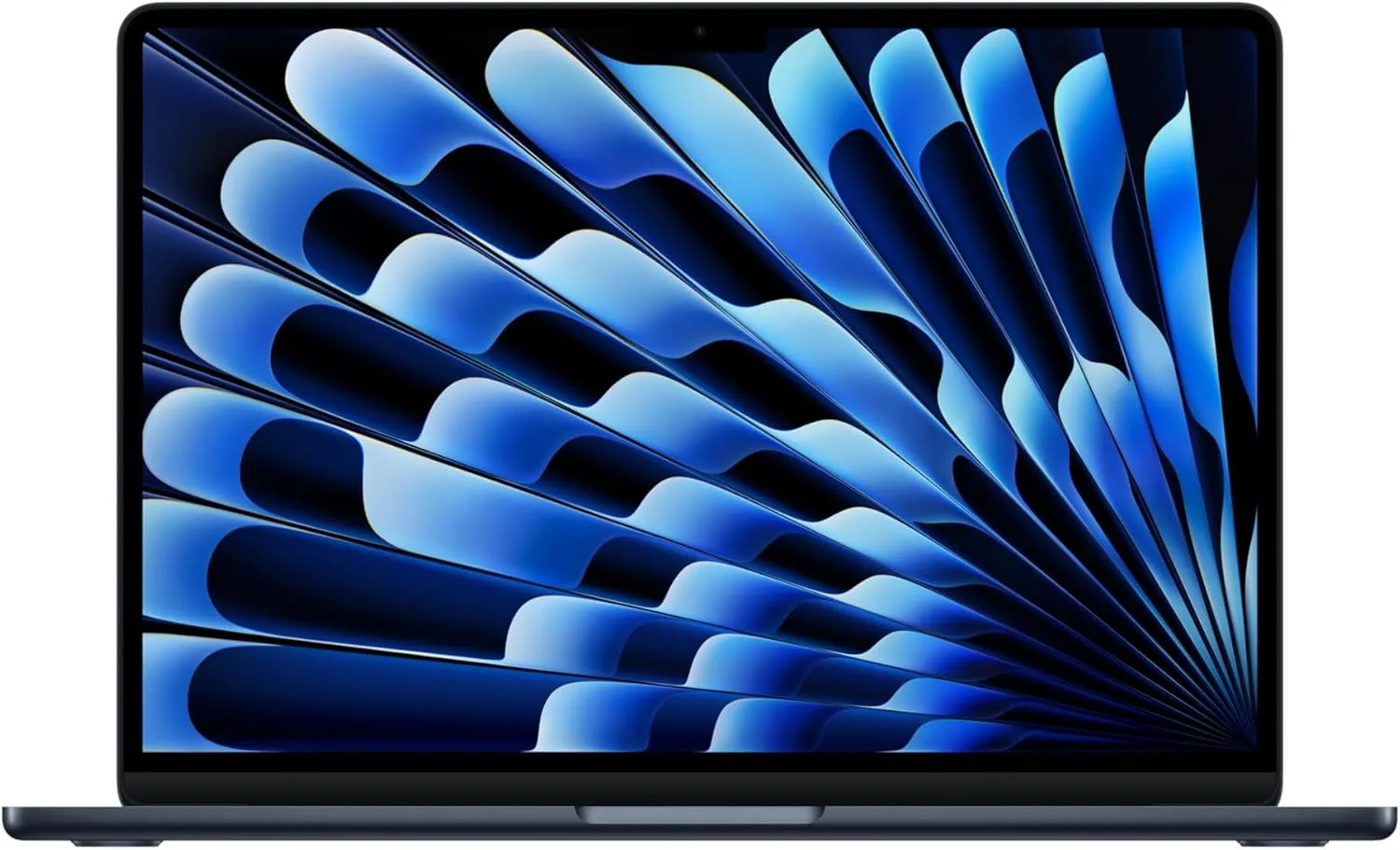
Best Overall
Apple MacBook Air 13" (M5)
Best for: Students, professionals and everyday use
9.5/10View on Amazon →


The new 14-inch and 16-inch MacBook Pro bring touch, a tandem OLED screen and a Dynamic Island to the Mac, with M5 Pro and M5 Max chips. They go on sale on 6 November.
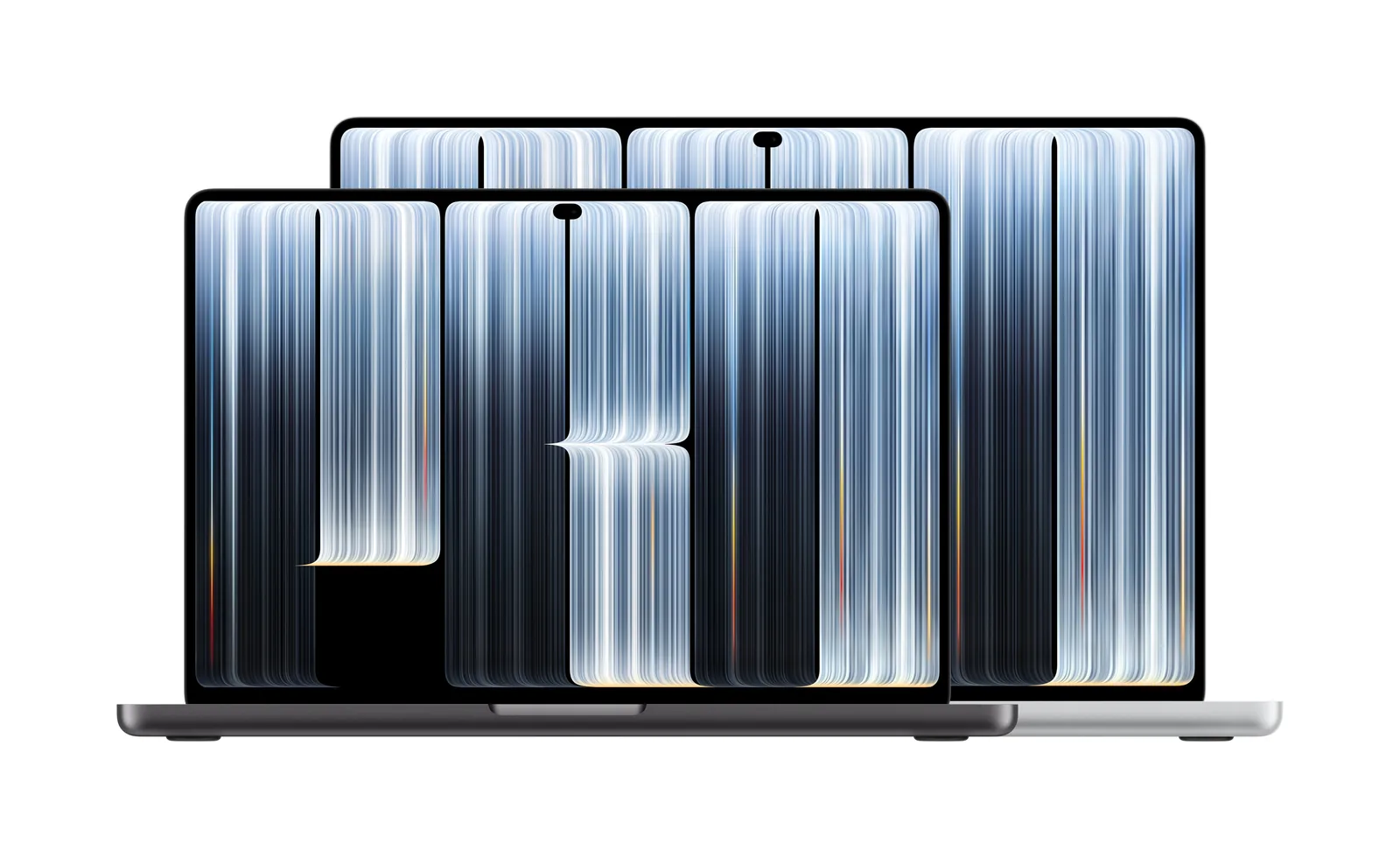
Apple has announced its first MacBook with a touchscreen. Unveiled at its "Pro and Tell" event on 28 October, the new 14-inch and 16-inch MacBook Pro models also bring the first OLED display to a Mac, and lose the notch that has sat at the top of the MacBook Pro's screen since 2021. Pre-orders are open now, and the laptops go on sale on Friday 6 November.
Apple calls the new screen the PROLED XDR display. Like the iPad Pro's, it's a tandem OLED panel, which stacks two light-emitting layers on top of each other. That lets it reach higher brightness while putting less strain on each layer, which should help it last longer.
Apple quotes up to 2,000 nits of peak brightness for both HDR and everyday SDR content, a contrast ratio of 10,000,000:1 and a ProMotion refresh rate that varies between 10Hz and 120Hz. There's an anti-reflective coating as standard and an optional nano-texture matte finish. Slimmer bezels make the screens a little larger than before, at 14.2 inches and 16.3 inches.
The touch sensor is built into the OLED panel itself, which Apple says adds no extra delay. You can swipe to scroll, pinch to zoom, drag items between windows and double-tap a window to make it fill the screen. macOS translates taps into mouse clicks, so many existing apps should work with touch straight away, although Apple has said little so far about how much of macOS has been redesigned for fingers. There's no mention of Apple Pencil support.
A new, stiffer hinge stops the screen wobbling when you touch it, and the webcam has new stabilisation to keep you steady on video calls while you tap the screen.
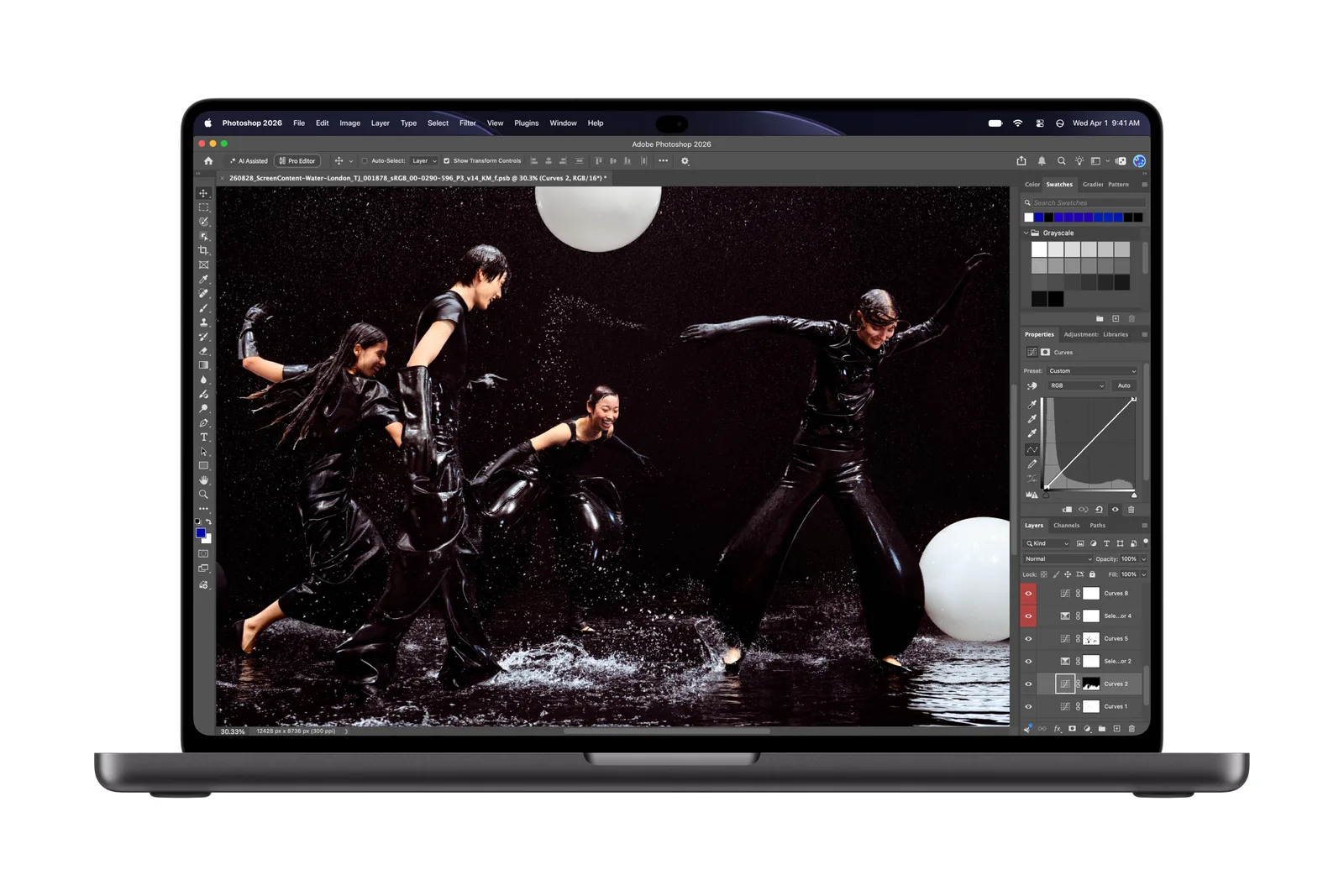
The notch is replaced by a smaller Dynamic Island around the 12MP camera, as on the iPhone. It expands to show Live Activities such as timers and deliveries, and gives quick access to Spotlight search and Siri. The Apple logo on the lid lights up again, for the first time since 2015.
Surprisingly, the OLED models don't use Apple's newest chip. They come with the same M5 Pro and M5 Max processors as the MacBook Pro models released in March, with up to 128GB of unified memory and up to 16TB of storage. The new M6 chip, which launched this week, is only available in a cheaper 14-inch MacBook Pro that keeps the mini-LED Liquid Retina XDR screen.
Apple says a redesigned cooling system directs warm air away from the display.
Both sizes are slimmer than before and lighter, at about 1.4kg for the 14-inch model and 1.8kg for the 16-inch. Ports are unchanged in layout but faster: three Thunderbolt 5 ports, full-size HDMI, an SD card slot, MagSafe charging and a headphone jack, with support for up to four external displays. Wi-Fi 7 and Bluetooth 6 are built in, and the six-speaker sound system has what Apple says is 50% deeper bass.
Fast charging reaches 50% in 30 minutes. Apple hasn't yet given a battery life figure for the OLED models, and an OLED screen's power use depends heavily on what's displayed, so independent testing will be important.
A touchscreen is the biggest change to the MacBook in years, and the OLED panel should be stunning for photo and video work. But these are the most expensive MacBook Pro models Apple has ever launched, and a chip generation behind the cheaper M6 model. Two questions remain until we see them in use: how well macOS works with touch day to day, and whether a static menu bar and Dock cause OLED burn-in over time.
For most people, the MacBook Air remains the best Mac laptop, and the mini-LED MacBook Pro is still an excellent screen for creative work. We'll update our best laptops guide once we've seen independent reviews.
Best for: Students, professionals and everyday use
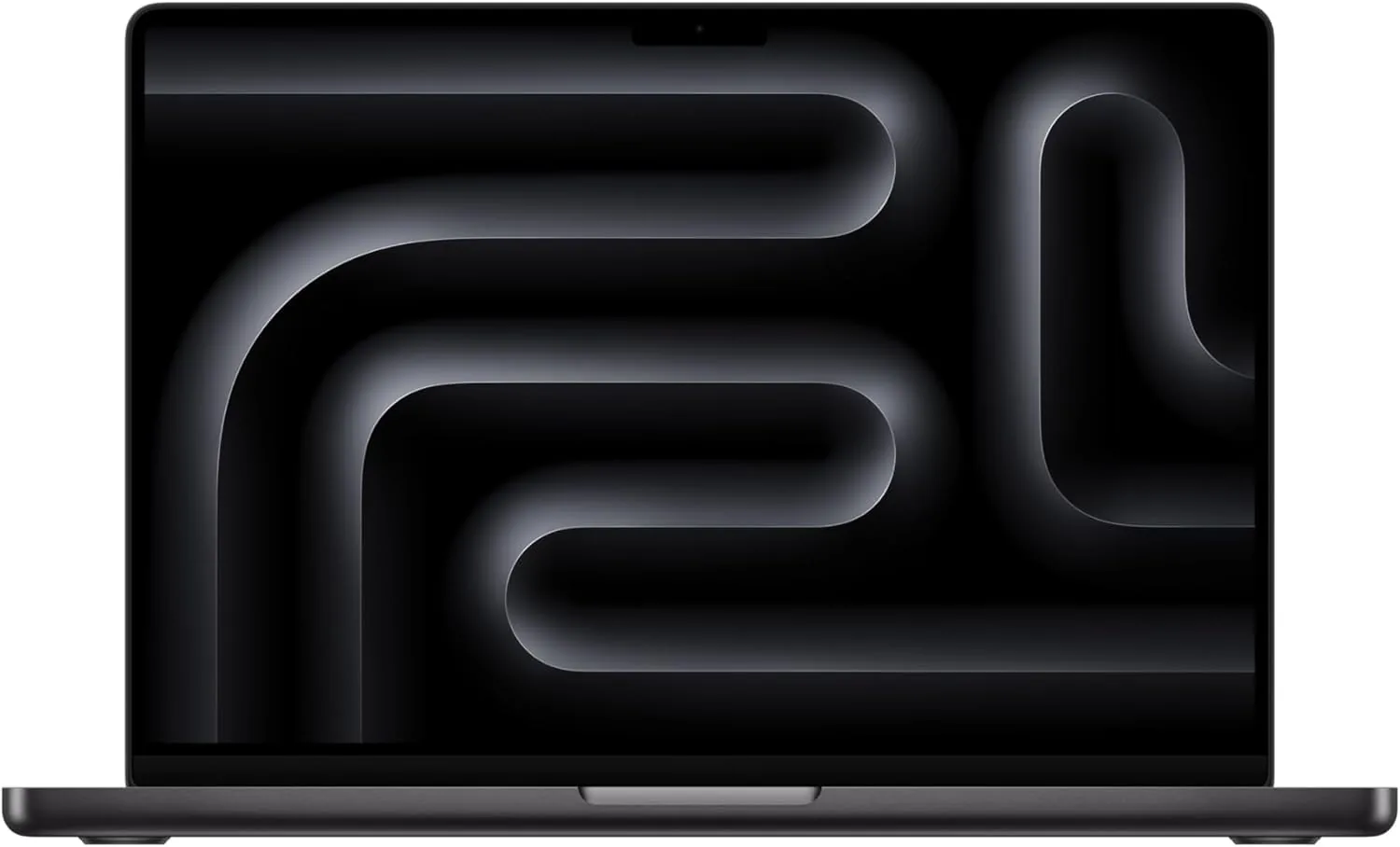
Best for: Photo, video and music production
 27 Oct 2026
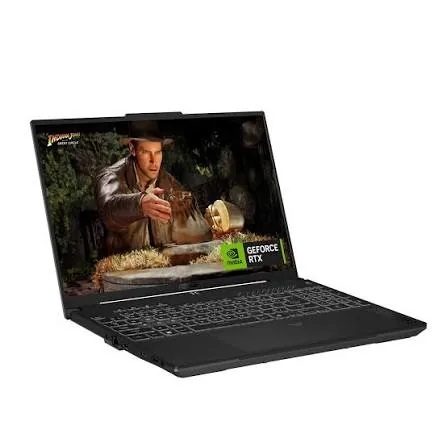
Best Gaming Laptops Under £1,500: What to Buy
£1,500 buys a capable gaming laptop, but the graphics chip, its power limit and the screen matter more than the badge. Here's what to check, plus three models worth shortlisting.
 24 Oct 2026
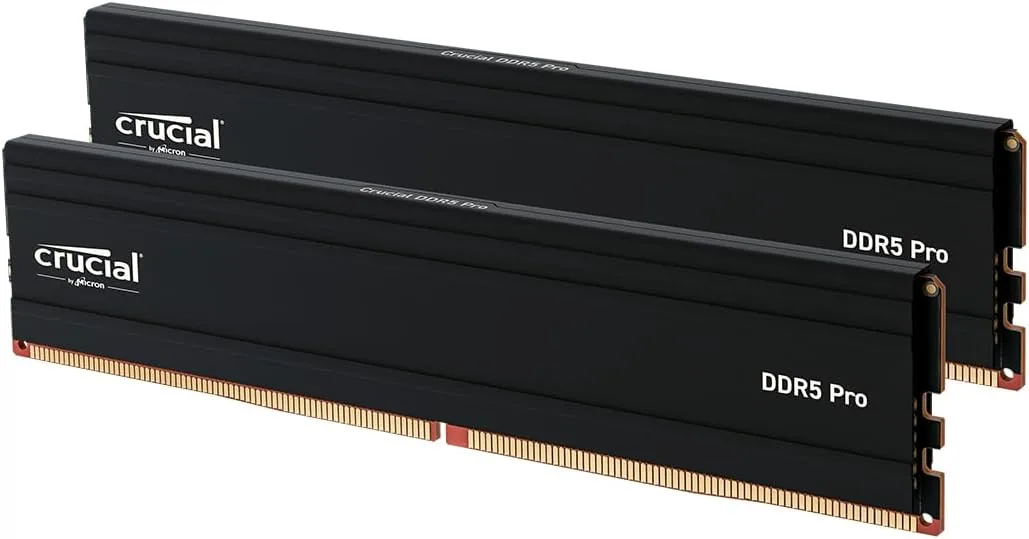
RAM prices are still high: how to upgrade without overpaying
A year into the memory shortage, DDR5 and DDR4 kits still cost far more than they did in 2025. Here's why, and how to make your money go further.
 22 Oct 2026
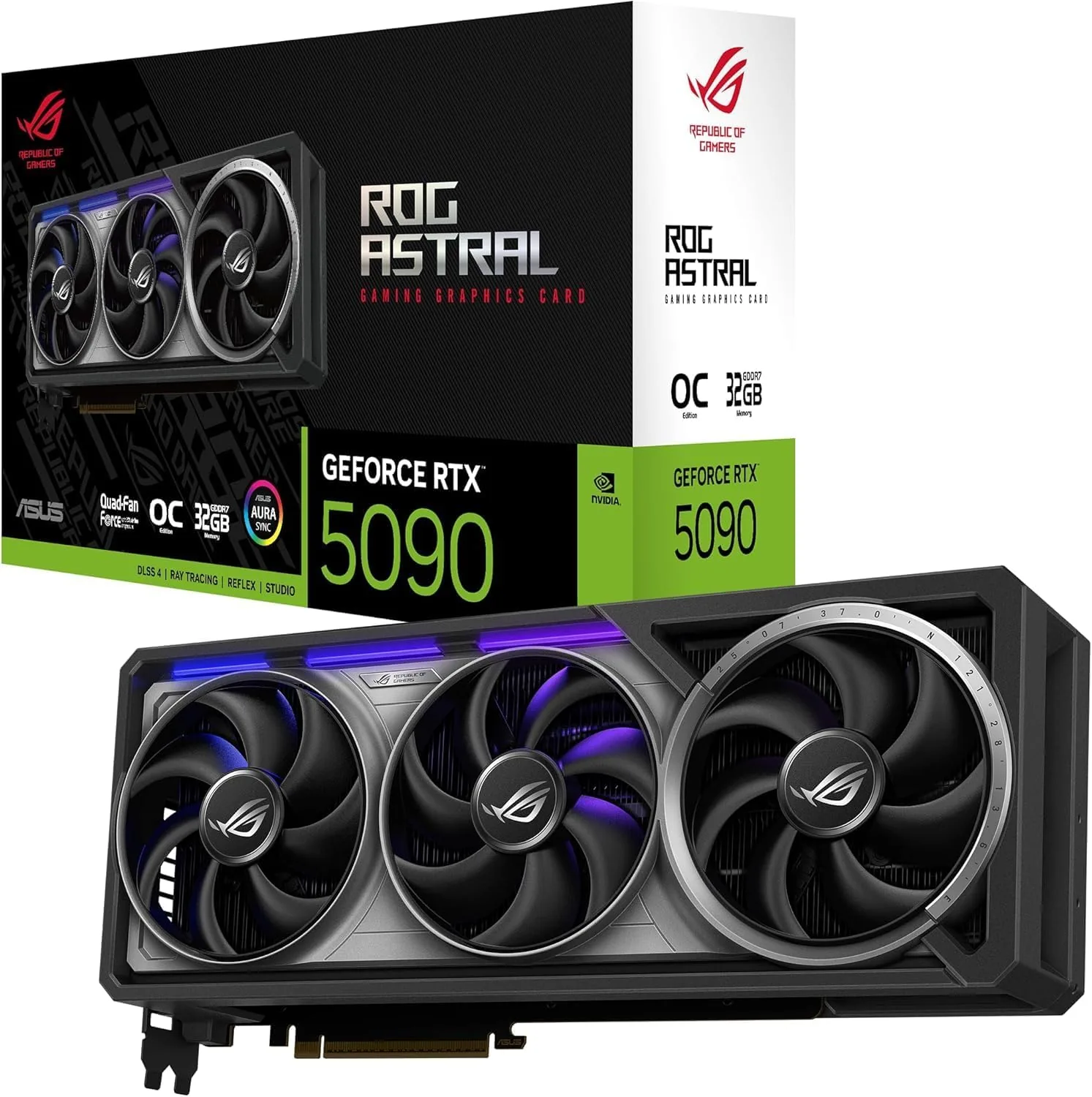
NVIDIA denies reports that the RTX 5090 is being discontinued
Reports claimed NVIDIA was winding down production of its flagship graphics card. NVIDIA says that isn't the case, but graphics card prices remain under pressure.