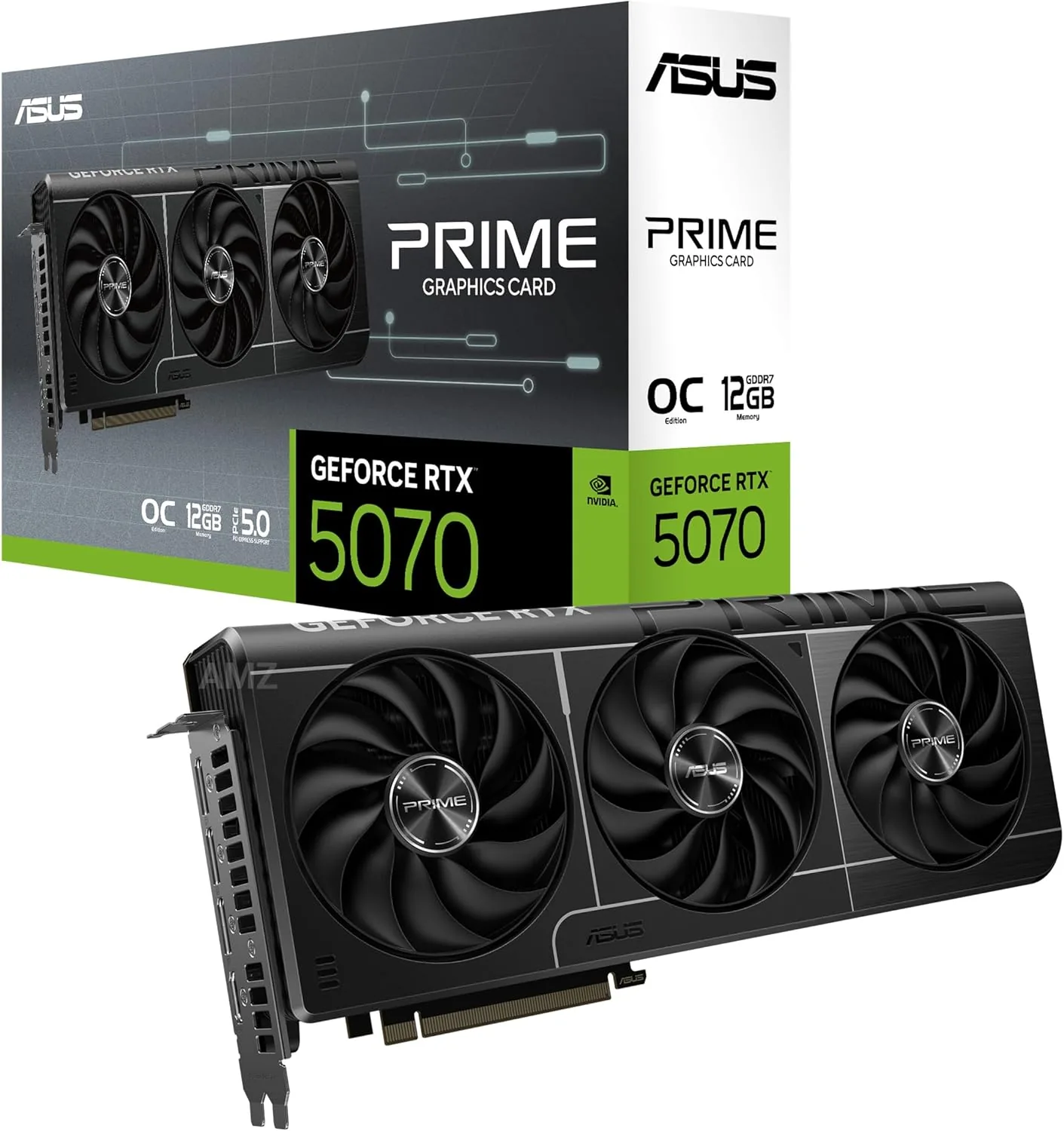
Best Overall
Asus Prime NVIDIA GeForce RTX 5070
Best for: 1440p high-refresh gaming
9.0/10View on Amazon →


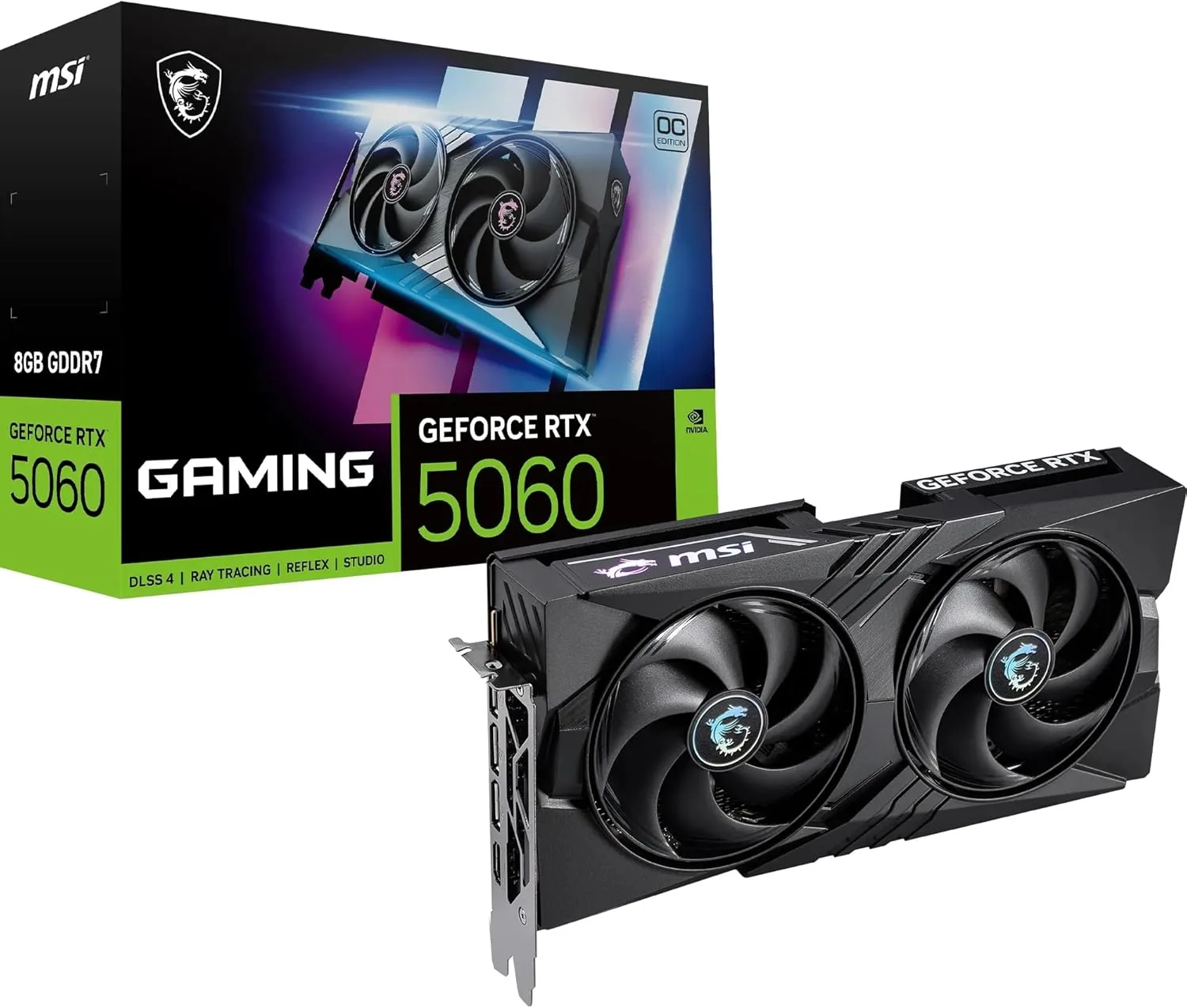
The RTX 5060 brings DLSS 4 and Multi Frame Generation to a budget card, and it's a solid choice for 1080p gaming, though its 8GB of memory means turning textures down in the most demanding new games.
The RTX 5060 is NVIDIA's entry-level graphics card for this generation. It brings DLSS 4 and Multi Frame Generation to a budget price and is a solid choice for 1080p gaming, with one significant compromise: only 8GB of memory.
The RTX 5060 has 3,840 CUDA cores and 8GB of fast GDDR7 memory on a 128-bit bus. In published testing it's around 20 to 25% faster than the RTX 4060, and plays most current games at high settings at 1080p, with esports titles such as Counter-Strike 2, Valorant and Fortnite running at very high frame rates.
It's not really a 1440p card. Some games run well at that resolution with DLSS, but you'll often need to lower settings.
8GB of memory is the RTX 5060's main weakness. A growing number of recent games, including some at 1080p, use more than 8GB at high or ultra texture settings. When that happens the card can stutter or display blurry textures, and the fix is to turn textures down a notch. For esports and older games it's not an issue, but if you want a card that will handle new releases for several years, the 16GB RTX 5060 Ti or RX 9060 XT is a safer buy.
DLSS is especially valuable on a budget card. DLSS upscaling now uses a sharper transformer AI model and adds a lot of performance for little loss in image quality. Multi Frame Generation can generate up to three extra frames per rendered frame, making motion much smoother in supported single-player games. It doesn't reduce input lag and uses some extra memory, so it works best when the game already runs at around 60fps.
At 145W the RTX 5060 is easy to power and cool. Most models, including MSI's, use a single 8-pin connector, are short enough for compact cases and stay quiet. NVIDIA recommends a 550W power supply. The card uses eight PCIe lanes, which makes no difference on PCIe 4.0 or 5.0 motherboards but costs a few percent on older PCIe 3.0 boards.
Buy the RTX 5060 for a budget 1080p gaming PC, especially if you mostly play esports or older games and want DLSS 4. If you play the latest big-budget games or want your card to last longer, spend a little more on a 16GB card.
| Architecture | NVIDIA Blackwell |
|---|---|
| CUDA cores | 3,840 |
| Boost clock | 2,497MHz (reference) |
| VRAM | 8GB GDDR7 |
| Memory speed | 28Gbps |
| Memory bus | 128-bit |
| Memory bandwidth | 448GB/s |
| Total graphics power | 145W |
| Interface | PCIe 5.0 x8 |
| Recommended PSU | 550W |
| Outputs | HDMI 2.1b, 3x DisplayPort 2.1b |
The RTX 5060 brings DLSS 4 and Multi Frame Generation to a budget card, and it's a solid choice for 1080p gaming, though its 8GB of memory means turning textures down in the most demanding new games. It earns our Best Entry-Level NVIDIA award in our guide to the best graphics cards.
Check price on Amazon →Best for: 1440p high-refresh gaming
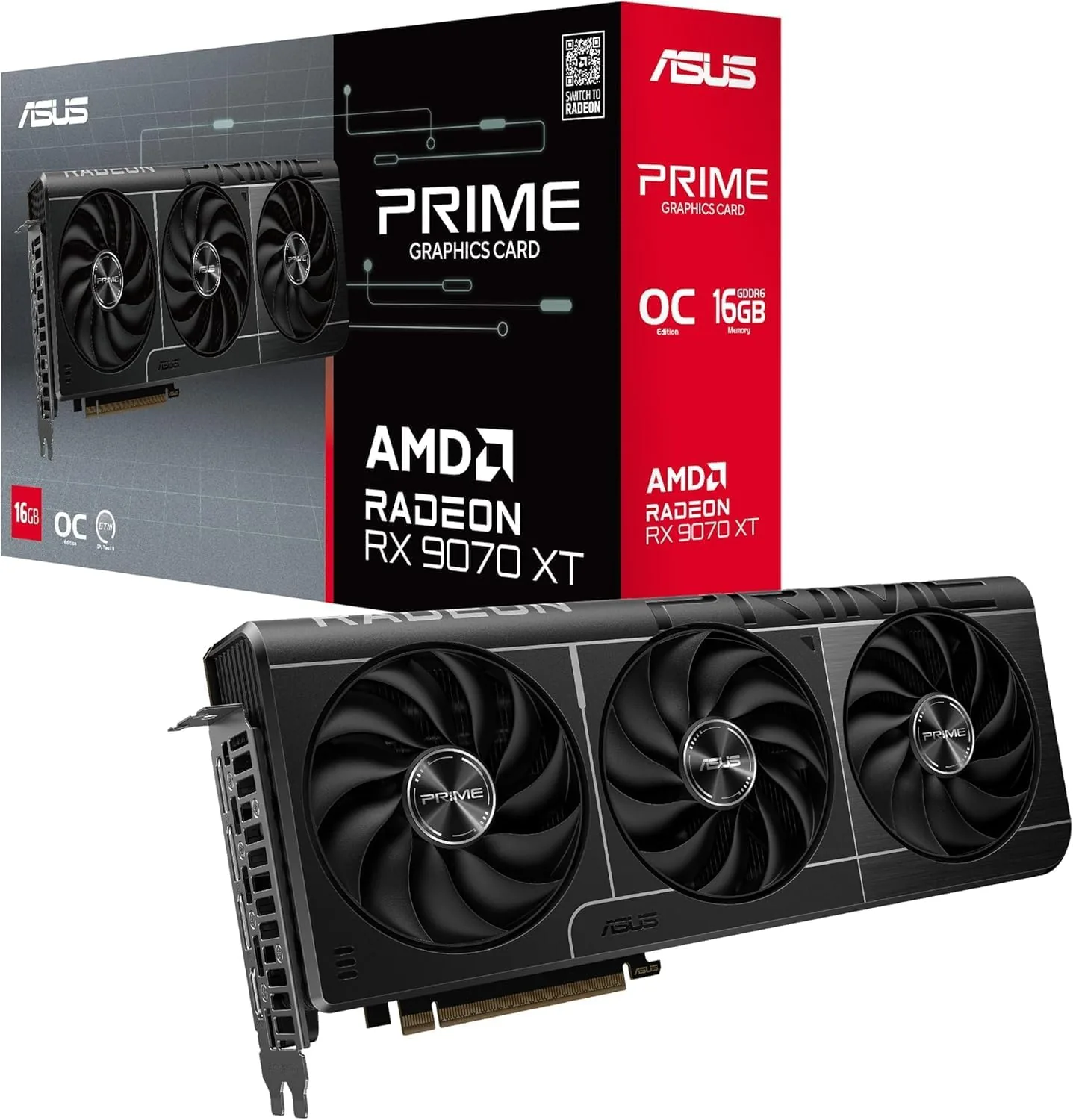
Best for: 1440p and entry-level 4K gaming
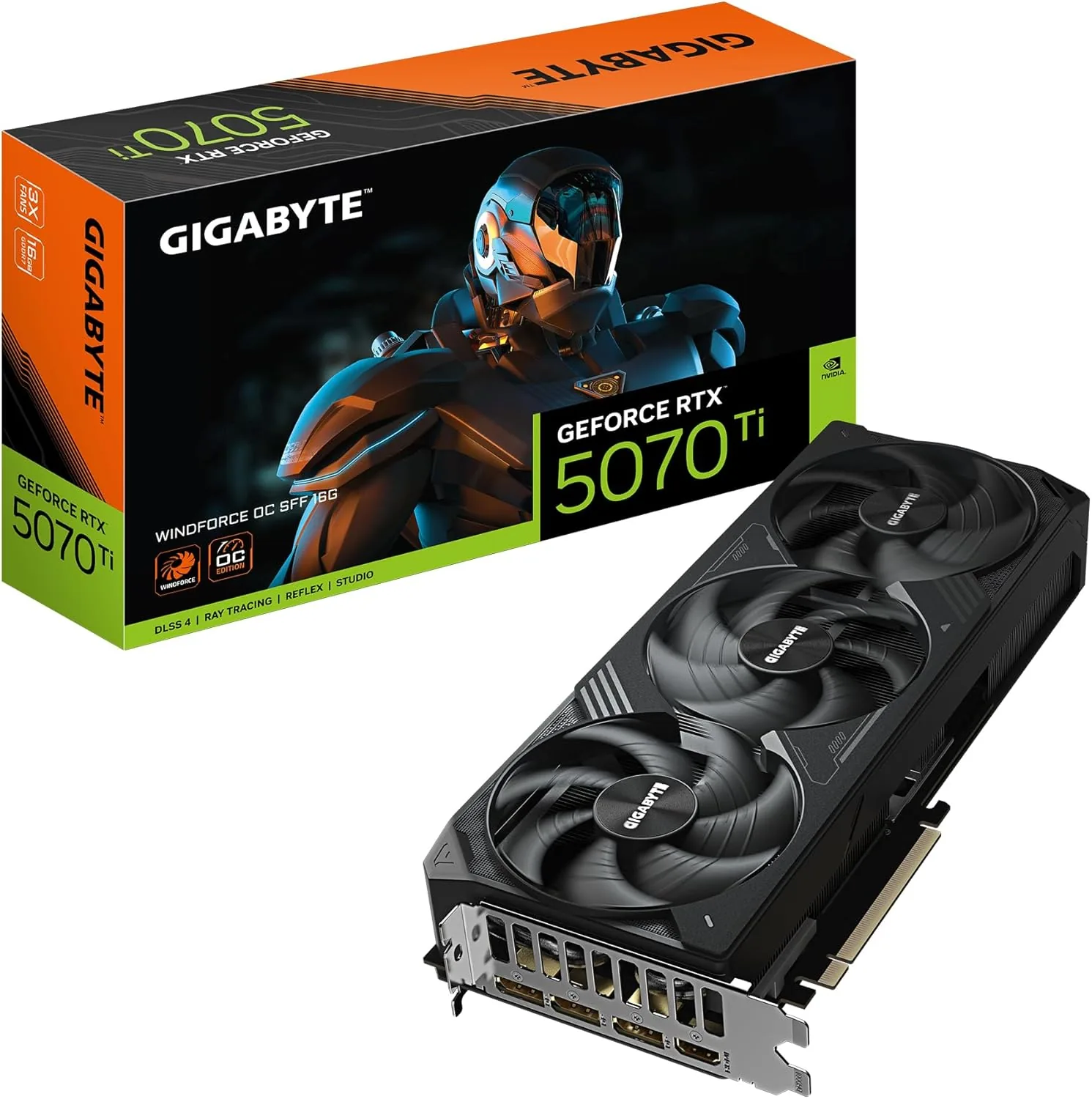
Best for: Maxed-out 1440p and 4K with DLSS